Choosing the right Water Filling Machine in 2026 requires more than comparing prices and advertised speeds. Global buyers must examine product type, container material, liquid characteristics, production volume, and available technical support. A compact gravity filler may suit still water in a small plant. A high-speed rotary system may serve a large bottling line. The difference is substantial.
Current equipment combines electronic controls, stainless-steel contact parts, automatic bottle positioning, and cleaner filling cycles. Some models support PET bottles, glass containers, or returnable packaging. Others are designed for mineral water, purified water, or mildly viscous beverages. These details affect accuracy, sanitation, maintenance, and long-term operating costs. Small errors matter.
Reliable selection begins with verified evidence. Buyers should request filling accuracy data, machine videos, factory references, warranty terms, spare-parts availability, and installation support. A supplier’s certification claims should be checked against recognized standards and the buyer’s local requirements. Experience also shows that impressive output figures may reflect ideal conditions, not daily production. Real factories face humidity, unstable power, changing bottle sizes, and operator turnover.
This guide reviews the best Water Filling Machine types for global buyers in 2026. It compares their working principles, suitable applications, benefits, limitations, and purchasing considerations. The goal is practical judgment, not a universal recommendation. No machine fits every facility. Even experienced purchasers can overlook cleaning access or future expansion. Careful evaluation remains essential.
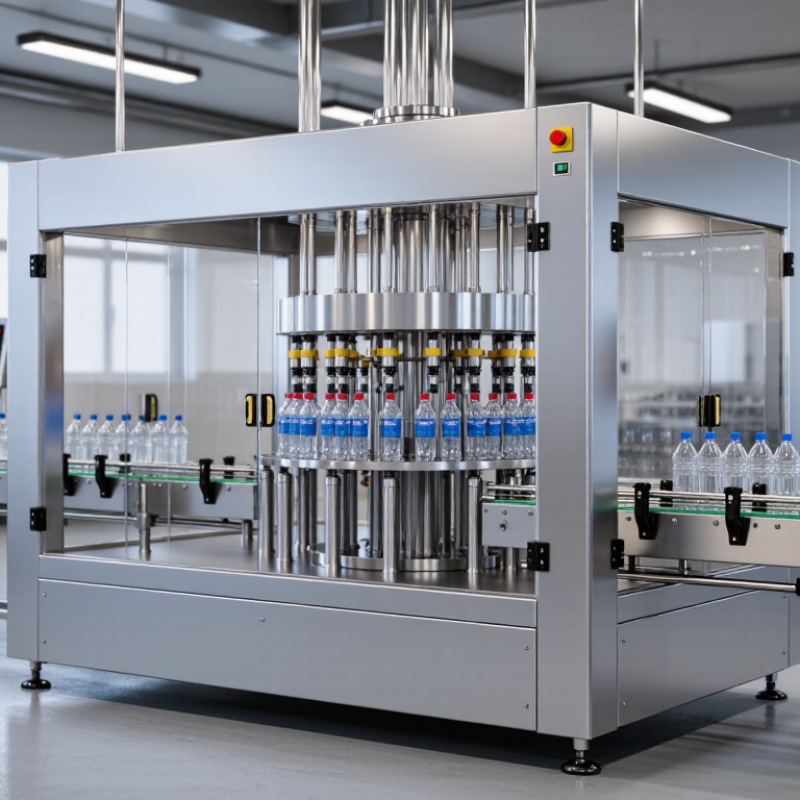
A water filling machine transfers treated water into containers with controlled speed, volume, and hygiene. The process usually includes bottle positioning, rinsing, filling, and discharge. Some production lines also connect capping and inspection units. Simple flow.
The filling method depends on water type, container shape, and required accuracy. Gravity filling uses height differences and suits still, low-viscosity water. Pressure filling adds controlled force for faster movement and stable output. Volumetric systems measure each dose directly, while flow-meter systems monitor water passing through the filling valve. Experienced operators check valve timing, pressure, and nozzle height during every trial. Small adjustments matter. A few millimeters can cause splashing, foam, or uneven levels.
Reliable operation starts with clean contact surfaces and consistent water pressure. Filters, pipes, tanks, and nozzles need documented cleaning routines. Sensors should confirm bottle presence before filling begins. Otherwise, water may spill inside the machine and create a sanitation problem. Temperature also affects flow behavior, especially during seasonal changes. Buyers should test the machine with their actual bottles, caps, and water conditions. Catalog performance can look impressive, but factory results may differ. This is an area where rushed decisions often become expensive. Operators should record fill volume, rejection rate, line speed, and cleaning time before approving final settings.
For global buyers, machine selection starts with water behavior, container format, and target output—not a catalog label. Grand View Research valued the global bottled water market at about USD 320.8 billion in 2023. It projects a 6.7% compound annual growth rate from 2024 to 2030. The WHO/UNICEF Joint Monitoring Programme reported that 2.2 billion people lacked safely managed drinking water in 2022. Regional quality needs therefore vary. Growth does not justify buying the fastest filler. Not always.
Gravity and overflow fillers suit still water in PET bottles. They maintain a visible, consistent fill level at moderate speeds. Flowmeter fillers improve volume accuracy when bottle sizes change frequently. Pressure or counter-pressure machines suit carbonated water. They reduce foaming and help retain dissolved carbon dioxide. Linear equipment fits smaller plants and frequent product changes. Rotary systems usually support higher continuous output. PMMI’s 2024 Beverage Trends report highlights labor efficiency, faster changeovers, and format flexibility as recurring equipment priorities. A 500 ml line may need different valves than a 1.5-liter line.
For hygiene, buyers should specify 316L stainless steel, accessible product paths, and validated cleaning procedures. Integrated rinsing, filling, and capping can reduce handling between stations. Energy use, compressed-air demand, and spare-part access deserve equal attention. One common mistake is comparing machines only by bottles per hour. Real output falls during cap changes, sanitation, and bottle jams. I would request factory acceptance tests using the actual bottle, cap, water temperature, and target speed. Published forecasts help, but they cannot replace a plant trial. That is where assumptions become visible.
Main types of water filling machines for different production needs
The chart compares indicative rated output for common water filling machine types. Manual and semi-automatic systems suit small or flexible operations, while automatic linear and rotary machines are designed for continuous high-volume production. Five-gallon systems are optimized for reusable large bottles and are not directly comparable with standard small-bottle lines.
Choosing a water filling machine starts with the product, not the machine name. In packaging-line audits, operators often compare speed first and regret ignoring water quality and container shape. Gravity fillers suit still water with low viscosity and simple bottle designs. They usually offer clean operation and moderate maintenance needs. Volumetric fillers provide tighter fill control when volume accuracy matters. Flow meters help high-speed lines measure each bottle electronically. Keep it practical.
Capacity commonly ranges from 600 to 3,000 bottles per hour for small facilities. Medium systems may handle 6,000 to 18,000 bottles hourly. Large rotary machines can exceed 30,000 bottles per hour with stable utilities and trained staff. Actual output falls when bottles change frequently. Cap design, rinsing time, and inspection checks also reduce speed. A quoted maximum is not always a working capacity.
Still spring water, purified water, and mineral water may require different configurations. Purified water lines often need hygienic stainless-steel contact parts and controlled filtration connections. Carbonated water needs pressure-resistant filling valves and careful foam management. Hot-filled or flavored water may require heat-compatible seals and specialized cleaning procedures. Weaker points deserve attention. Energy use, spare-part access, and operator training affect long-term reliability. A smaller machine can be wiser when local service resources are limited.
When selecting a water filling machine for global markets, begin with the product, container, and target output. Still water often suits gravity or flow-meter filling systems. Carbonated water usually requires counter-pressure technology. Small glass bottles, large PET containers, and pouches also need different handling systems.
Your real production conditions matter. Measure bottle diameter, height, neck finish, and material tolerance before requesting quotations. A machine rated for 12,000 bottles per hour may perform differently with lightweight containers. Ask for verified test results, not only catalog figures. During factory trials, check fill accuracy, dripping, foam control, changeover time, and cleaning access. Watch the operator’s movements.
Hygiene and compliance must guide every decision. Select food-contact stainless steel, sanitary valves, protected electrical panels, and documented cleaning procedures. Confirm voltage, language options, safety functions, and applicable standards in each destination market. Local inspection rules may affect labeling, electrical design, water treatment, and installation.
A perfect machine does not exist. I have seen buyers prioritize speed, then struggle with frequent format changes. Another overlooked issue is spare-parts availability near the installation site. Request a preventive-maintenance schedule and remote technical support terms. Compare total ownership cost, including water loss, compressed air, labor, energy, and downtime. Leave room for uncertainty. Real factories are rarely as clean as demonstrations.
The 2026 best water filling machines are not chosen by speed alone. Installation, maintenance, safety, and compliance determine long-term performance. The WHO/UNICEF JMP 2023 report found that 2.2 billion people lacked safely managed drinking water in 2022. This highlights the need for controlled sanitation at every filling stage. Buyers should verify stainless-steel contact surfaces, hygienic welds, clean-in-place access, and accurate flow control.
Installation should follow a documented site plan. Check floor loading, drainage, electrical protection, compressed-air quality, and water pressure before delivery. Operators also need guarded moving parts, emergency stops, lockout procedures, and clear training records. ISO 22000:2018 supports a risk-based food safety system, while the WHO Guidelines for Drinking-water Quality recommend preventive control from source to consumer. Local electrical, pressure, packaging, and workplace rules still apply. One certificate rarely covers every market.
Tips: Keep spare seals, sensors, and filters on site. Record cleaning temperature, chemical concentration, and rinse results after every cycle. Inspect nozzles daily; small residue can become a serious hygiene risk. A perfect commissioning checklist does not exist. Water chemistry and operator habits may still surprise the team. Review maintenance data monthly, not only after a breakdown. Calibration records should be signed, dated, and easy to retrieve during audits.
Headquarters
2980 Scott St, Vista, CA 92081
Phone: (760) 734-4177
Fax: (760) 734-4188
Open: 8:00 am – 4:30 pm
Texas
8051 Jetstar Dr #175 Irving, TX 75063
Phone: (972) 915-6888
Fax: (972) 915-6999
Open: 8:00 am – 4:30 pm
Florida
14231 Jetport Loop. #1 Fort Myers, FL 33913
Phone: (239) 225-4020
Fax: (239) 225-4024
Open: 8:00 am – 4:30 pm