Choosing the right bottle filling machine is crucial for any business looking to streamline its production process and maintain product quality. As industries grow and consumer demand increases, the need for efficient and reliable packaging solutions becomes more critical. A bottle filling machine not only enhances your operational efficiency but also plays a significant role in ensuring that your products meet safety and quality standards. With numerous options available, selecting the appropriate machine can be overwhelming.
In order to make an informed decision, businesses must consider various factors such as the type of product being filled, the required production speed, and the budget available for equipment investment. Understanding the specific needs of your business will help in narrowing down the choices and ensuring that the selected bottle filling machine aligns with your operational goals. As we delve deeper into this topic, we will explore essential criteria that can guide your decision-making process and ultimately contribute to the success of your packaging operations.
When selecting the right bottle filling machine for your business, understanding your specific needs is crucial. First, consider the type of products you'll be filling. Liquids can vary significantly in viscosity; for instance, thin liquids like water require different machinery compared to thicker substances such as sauces or creams. Analyzing your product characteristics will guide you in selecting a machine that can handle the necessary flow rates and maintain quality during the filling process.
Next, evaluate your production volume and scalability. If your business is just starting out, you might benefit from a semi-automatic machine that can handle smaller batches, allowing for flexibility and lower initial costs. However, if you anticipate high demand or plan to grow quickly, investing in a fully automatic system might be more advantageous to ensure higher efficiency and reduced labor costs. It's important to match the machine's capabilities with both your current needs and future growth trajectory to avoid frequent replacements or upgrades.
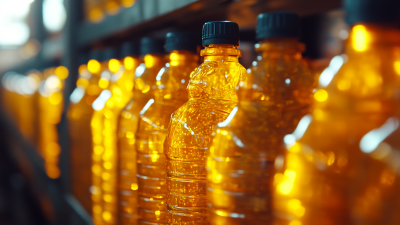
When selecting a bottle filling machine for your business, it's essential to understand the various types available in the market. Each type serves a unique purpose and is designed to accommodate different types of products, from liquids to powders. Among the most common bottle filling machines are gravity fillers, which rely on gravity to fill bottles with low-viscosity liquids such as water and juice. These machines are simple, cost-effective, and ideal for startups looking for efficiency without the need for sophistication.
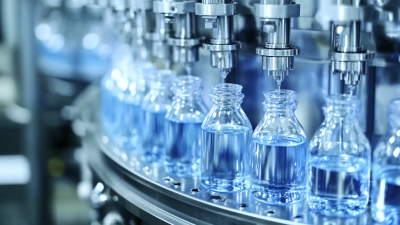
Another popular type is the piston filler, which is perfect for thicker liquids or products containing particulates, such as sauces or creams. Piston fillers operate by drawing a specific volume of liquid into a cylinder and then releasing it into the bottle, ensuring accuracy and minimizing spillage. For high-speed production lines, rotary fillers are preferred, as they can handle large volumes by filling multiple bottles at once. These machines are often used in bottling plants and are known for their efficiency and automation capabilities. Understanding these options is vital for making an informed decision that aligns with your production needs.
When selecting the right bottle filling machine for your business, several key features should be evaluated to ensure optimal performance and efficiency. First and foremost, the filling accuracy is critical. A machine that offers precise measurement capabilities will reduce product wastage and enhance overall quality. Look for machines with adjustable settings and calibration options to accommodate varying bottle sizes and liquid viscosities, which is essential for businesses handling different types of products.
Another important consideration is the machine’s speed and capacity. Depending on your production needs, it’s crucial to choose a filling machine that can keep up with your output requirements. Machines with variable speed settings can be beneficial, as they allow for adjustments based on production demands. Additionally, consider the ease of cleanup and maintenance. Units designed with quick-release components and minimal hard-to-reach areas can drastically reduce downtime and improve operational efficiency. Ultimately, investing in a bottle filling machine that balances accuracy, speed, and maintenance convenience will set your business up for success.
When selecting a bottle filling machine, evaluating costs and budget is a critical step that directly impacts your business's bottom line. First, you need to assess the initial investment required for the machinery itself. This includes not just the purchase price, but also installation costs, necessary modifications to your production line, and potential upgrades to accommodate advanced technology. It’s essential to take a holistic view of these expenses to ensure they fit within your overall budgetary constraints.
Additionally, ongoing operational costs should be factored into your financial evaluation. This encompasses maintenance expenses, energy consumption, and any required spare parts. Understanding these recurring costs will provide a clearer picture of the long-term financial commitments associated with the machine. Furthermore, consider the efficiency and output of the machine, as a more efficient filling system can lead to significant savings over time, thereby justifying a higher upfront cost. Balancing initial expenses against operational efficiency will lead to more informed decision-making in the selection of a bottle filling machine tailored to your business needs.
When selecting a bottle filling machine for your business, the longevity and efficiency of your equipment are paramount. According to the Packaging Machinery Manufacturers Institute (PMMI), proper maintenance can extend the life of filling machines by up to 30%. This statistic highlights the necessity of implementing a robust maintenance routine to minimize downtime and ensure operational efficiency. Regular inspections, cleaning, and timely replacement of wear parts are critical to maintaining the machine's performance and achieving consistent production.
Additionally, investing in support services can further enhance the reliability of your bottling operation. A study by the Beverage Industry Association found that companies utilizing comprehensive maintenance contracts reported a 25% increase in operational uptime compared to those without such support. Manufacturers should prioritize partnerships with service providers that offer training, troubleshooting assistance, and readily available spare parts. By fostering these relationships, businesses can ensure that their filling machines remain in peak condition, ultimately improving productivity and customer satisfaction. Regular training for staff on best practices for machine operation and care can also significantly impact the overall efficiency and longevity of the bottling process.
This chart illustrates the key factors to consider when selecting a bottle filling machine. The metrics include the speed of operation, maintenance frequency, support availability, and overall cost, which are crucial for ensuring longevity and efficiency in your bottling process.
Headquarters
2980 Scott St, Vista, CA 92081
Phone: (760) 734-4177
Fax: (760) 734-4188
Open: 8:00 am – 4:30 pm
Texas
8051 Jetstar Dr #175 Irving, TX 75063
Phone: (972) 915-6888
Fax: (972) 915-6999
Open: 8:00 am – 4:30 pm
Florida
14231 Jetport Loop. #1 Fort Myers, FL 33913
Phone: (239) 225-4020
Fax: (239) 225-4024
Open: 8:00 am – 4:30 pm