How to Choose the Right Powder Filling Machine for Your Business Needs
In the competitive landscape of modern manufacturing, selecting the appropriate Powder Filling Machine is crucial for streamlining production processes and ensuring product quality. According to a recent report by MarketsandMarkets, the global powder filling machinery market is expected to reach USD 6.1 billion by 2026, growing at a CAGR of 5.2% from 2021. This growth underscores the increasing demand for efficient and precise filling solutions across various industries, including pharmaceuticals, food and beverage, and chemicals.
Choosing the right Powder Filling Machine involves a thorough evaluation of several factors, including filling accuracy, machine speed, and compatibility with different powder types. Industry leaders emphasize that businesses must consider their specific application needs, as the wrong choice can lead to production delays and increased operational costs. Additionally, a study by Grand View Research highlights that automated powder filling solutions not only enhance efficiency but also minimize human error, thus improving overall product integrity. Understanding these dynamics is essential for making informed decisions that align with your business objectives.
Understanding Different Types of Powder Filling Machines Available in the Market
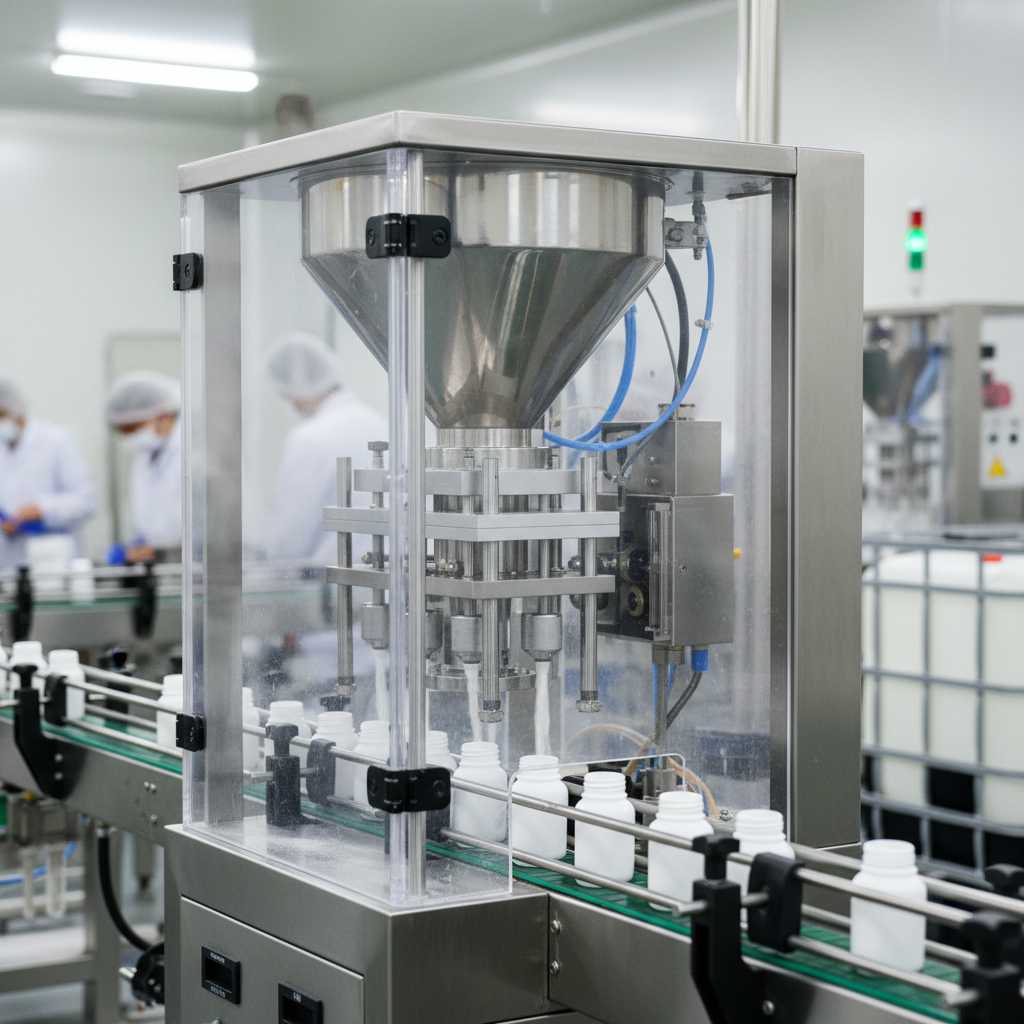
When selecting the right powder filling machine, understanding the various types available in the market is crucial. There are several categories of machines, including auger fillers, vacuum fillers, and piston fillers, each designed to cater to different requirements in the filling process. Auger fillers are typically used for powders with varying flow properties and are ideal for free-flowing products. Vacuum fillers, on the other hand, utilize suction to fill containers, making them suitable for fine powders that may clump or settle. Piston fillers are known for their accuracy and are preferred for high-viscosity powders, ensuring precise filling even at high speeds.
In the context of the growing Global Beetroot Powder market, the choice of powder filling machine can significantly impact production efficiency and product quality. As demand for beetroot powder rises—forecasted to exceed USD values in the coming years—businesses need to invest in equipment that not only meets their volume needs but also maintains the integrity of the product being filled. Evaluating factors such as machine speed, size, and ease of cleaning can help businesses choose the right machine tailored to their production goals, ensuring they remain competitive in an expanding market.
How to Choose the Right Powder Filling Machine for Your Business Needs
| Machine Type |
Filling Volume |
Speed (Bottles/Min) |
Suitable Powder Types |
Price Range (USD) |
| Volumetric Filler |
50-1000 ml |
30 |
Granular, Powdered |
$5,000 - $10,000 |
| Auger Filler |
10-500 g |
20 |
Powdered |
$6,000 - $12,000 |
| Pneumatic Filler |
100-2000 ml |
25 |
Free-flowing Powders |
$7,000 - $15,000 |
| Gravity Filler |
100-3000 ml |
15 |
Granular, Coarse Powders |
$4,000 - $9,000 |
Key Features to Look for in a Powder Filling Machine for Optimal Performance
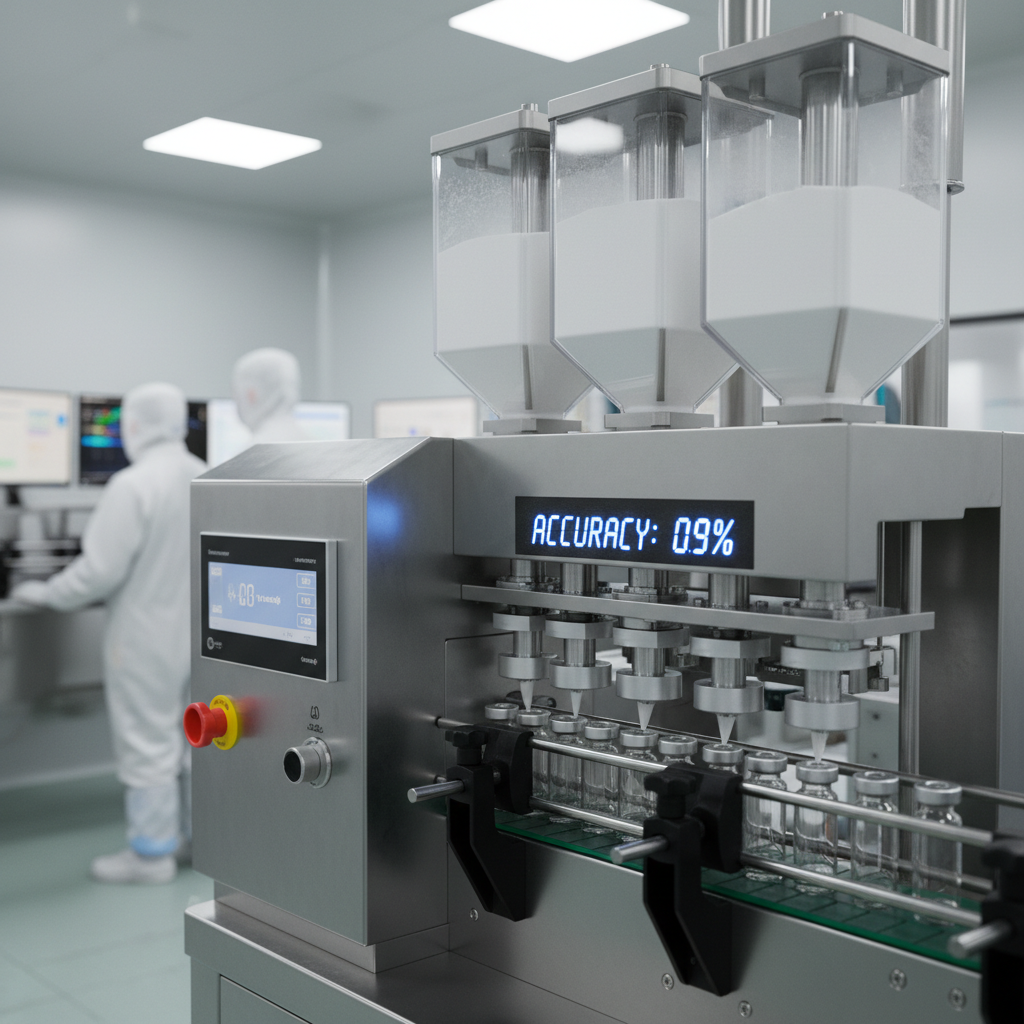
When selecting a powder filling machine, understanding its key features is essential for optimal performance. One of the primary aspects to consider is the machine's accuracy. Reports indicate that an accuracy rate of 0.1% or better is crucial for industries like pharmaceuticals and food production, where even minor discrepancies can lead to significant issues. A highly accurate filling machine not only ensures compliance with regulations but also maintains product quality, reducing waste and enhancing customer satisfaction.
Another important feature is the machine's versatility. According to industry analyses, a filling machine capable of handling a variety of powder types—including granules and talcum powders—offers greater flexibility to manufacturers. In fact, over 60% of businesses prefer equipment that allows for quick changeovers to accommodate different products. This adaptability not only improves efficiency but also supports businesses in responding faster to market demands, ultimately contributing to their bottom line. Additional features such as ease of cleaning and maintenance are also significant, as they minimize downtime and enhance productivity in the long run.
Assessing Your Production Volume and Speed Requirements for Filling Solutions
When selecting a powder filling machine, assessing your production volume and speed requirements is crucial. Understanding how much product you need to fill and how quickly can help narrow down your choices. For businesses with high output needs, an automatic machine may be the most efficient, allowing for seamless operation and reduced labor costs. On the other hand, smaller operations with lower production rates might benefit from a semi-automatic machine that offers flexibility without compromising quality.
**Tips:** Consider the peak production periods for your business. If you anticipate fluctuations in volume, opt for a machine that can easily adjust to different speeds and filling amounts. Additionally, evaluate the machine's compatibility with various powder types—some machines handle specific materials better than others, which could impact overall efficiency.
Another key point is maintenance and support. Higher-speed machines often require more frequent servicing to keep up with the rigorous demands of production. Investing in a reliable support service can mitigate downtime and ensure your operations run smoothly. Ultimately, a careful assessment of your filling needs will lead to a more effective choice in powder filling machines.
Production Volume and Speed Requirements for Powder Filling Machines
Evaluating the Cost vs. Quality Trade-offs in Powder Filling Equipment
When selecting a powder filling machine for your business, it's essential to carefully evaluate the cost versus quality trade-offs. A common industry report by Research and Markets indicates that the global powder filling machinery market is projected to grow from $2.1 billion in 2021 to $3.0 billion by 2026, demonstrating the increasing demand for efficient and reliable filling solutions. This growth signals the need for businesses to invest thoughtfully in equipment that not only fits their budget but also meets industry standards for quality and accuracy.
Investing in high-quality powder filling equipment often comes with a higher initial cost, but it can lead to significant long-term savings. According to a study by Packaging Strategies, higher quality filling machines can reduce downtime by up to 25%, thereby increasing overall productivity. Companies must weigh these long-term benefits against the initial expenditure. While cheaper options may seem attractive, they can compromise filling accuracy and speed, leading to increased product waste and dissatisfaction. Therefore, an informed choice that considers both upfront costs and potential operational efficiencies is crucial for sustainable business growth.
Importance of After-Sales Support and Maintenance for Your Powder Filling Machine
When selecting the right powder filling machine for your business, it's crucial to consider after-sales support and maintenance. A robust after-sales service is not just a value-add but a necessity in ensuring the longevity and efficient operation of your machine. According to industry reports, companies that prioritize maintenance see a reduction in downtime by as much as 30%, allowing them to meet production targets with greater efficiency. This support includes regular check-ups, access to spare parts, and technical assistance, which can significantly extend the life cycle of the equipment.
The ability to swiftly resolve issues through effective customer support is particularly vital in sectors such as food processing and pharmaceuticals, where compliance and operational precision are paramount. The recent appointment of dedicated roles like Chief Service Officer underscores the growing commitment within the industry to enhance customer experience post-purchase. Businesses that invest in high-quality after-sales service often report increased customer satisfaction and loyalty, which translates to a competitive advantage in the market.