Choosing a Powder Packaging Machine in 2026 is not simply a price comparison. It is a production decision involving accuracy, hygiene, speed, maintenance, and future product changes. A machine that fills protein powder smoothly may struggle with sticky seasoning or fine pharmaceutical-grade ingredients. The details matter.
Jorge Izquierdo, Vice President of Market Development at PMMI, has described modern packaging equipment as “more connected, more flexible, and more intelligent.” That idea fits powder packaging well. Buyers should examine auger control, dust management, filling accuracy, sealing performance, and data connectivity. They should also test real product samples. Laboratory powder is not always factory powder.
Look closely.
A practical evaluation starts with the target weight, container size, production rate, and powder behavior. Ask whether the machine can handle low-density, dusty, or moisture-sensitive materials without frequent adjustment. Watch the operator change a format. Is the process clear, safe, and reasonably quick? Check contact parts, cleaning access, spare-part availability, and technical support before signing a purchase order. Total cost includes downtime, rejected packs, labor, and maintenance.
Some decisions remain imperfect. A faster machine may create more dust. A highly automated system may require better training. A cheaper model may become expensive during seasonal demand. These trade-offs deserve honest attention. The best Powder Packaging Machine is not necessarily the most advanced model. It is the one that delivers consistent fills, protects product quality, and fits the company’s real operating conditions in 2026.
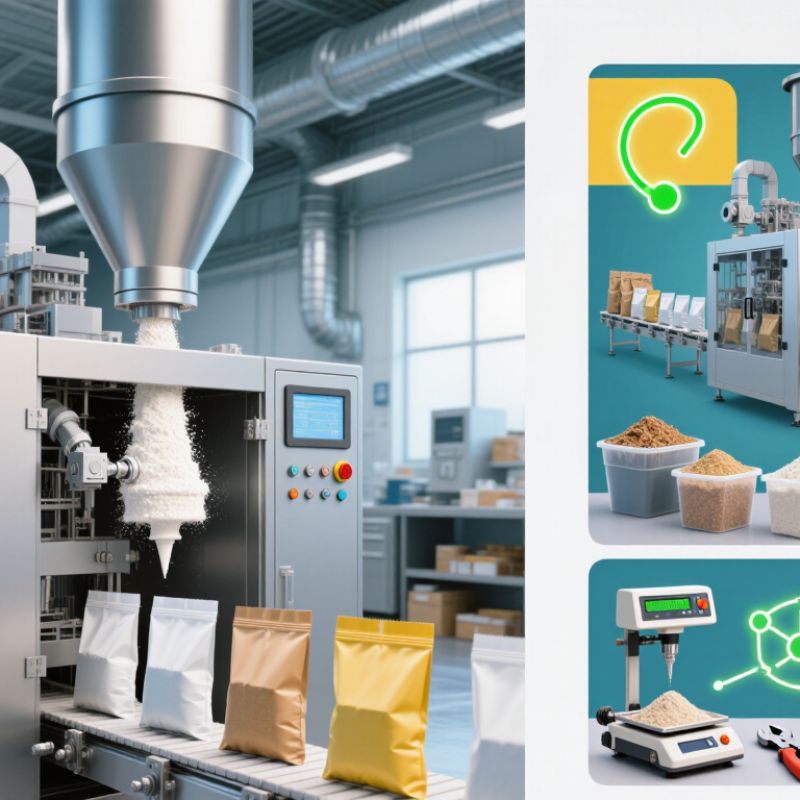
A powder packaging machine measures, fills, and seals dry products inside pouches, bags, or containers. Its core system usually includes an auger filler, hopper, forming tube, sealing jaws, and a control panel. The auger rotates like a screw, moving a measured powder volume into each package. Sensors then check film position, seal temperature, and filling timing. Some systems also connect to checkweighers and dust-collection equipment.
The machine’s accuracy depends on powder behavior. Fine flour may bridge inside the hopper, while granular materials can flow too quickly. Moisture, bulk density, and particle size must be tested before selection. Grand View Research estimates that the global packaging machinery market will expand at about 5% annually through 2030. PMMI’s State of the Industry reporting also identifies labor shortages and automation as key investment pressures. These figures support automation, but they do not replace product trials. A machine can perform well in a brochure and poorly with real powder.
Tips: Request a live filling test using your product. Record weight variation, dust release, sealing quality, and cleaning time. Check whether operators can adjust settings without advanced training. In my experience, the first trial is rarely perfect. That is useful. It exposes weak assumptions. Also confirm spare-part access, safety guarding, and the machine’s data-recording functions. Choose measured evidence over attractive speed claims.
How to Choose a Powder Packaging Machine in 2026?
Powder characteristics should guide the machine choice, not the package design alone. Particle size affects dosing accuracy, filling speed, and dust formation. Fine powders may float around the sealing area. Coarser particles can damage seals or create uneven fills. Bulk density matters too. The same product can weigh differently after transport or vibration. That changes the required auger size, hopper capacity, and weighing system.
Flowability is often the deciding factor. Free-flowing powders usually work well with controlled auger dosing. Cohesive powders may need hopper agitation, vibration, or a wider feed path. Moisture-sensitive materials require sealed hoppers and controlled air exposure. Fatty or sticky powders can build up on contact surfaces. Smooth, accessible parts make cleaning and inspection more reliable. Abrasive powders may require stronger wear-resistant components.
Do not ignore electrostatic behavior. Very light powders can cling to stainless steel, film, and sensors. Grounding and dust-control equipment may improve consistency. Temperature-sensitive powders need gentle handling and limited heat near the sealing jaws. In practical trials, I have seen a clean-looking powder bridge inside the hopper within minutes. It was not obvious during a short demonstration. That mistake was mine: I focused too much on speed. A proper test should measure fill accuracy, dust release, sealing quality, product loss, and changeover time. Use the actual powder, packaging film, and target weight whenever possible. Small differences in humidity can reveal weaknesses. Test more than once.
Choosing a Powder Packaging Machine in 2026 means comparing filling and sealing technologies carefully. Powder behavior changes with moisture, particle size, density, and aeration. A fine powder may bridge inside a hopper, while a granular powder may flow too quickly.
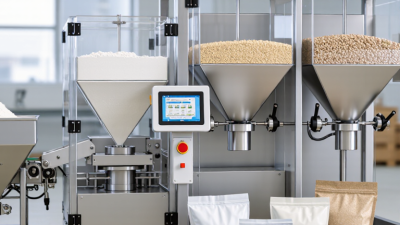
Auger filling suits many cohesive powders and supports controlled dosing through screw rotation. Gravimetric filling measures actual weight, helping manage density changes during production. Volumetric systems can run quickly, but their accuracy may decline when powder density shifts. In plant trials, I would compare dose variation, dust release, cleaning time, and changeover effort. Small details matter. Check the powder path after several hours, not only during a short demonstration.
Sealing technology deserves equal attention. Heat sealing works well with compatible films, stable temperatures, and consistent pressure. Ultrasonic sealing can reduce heat exposure and tolerate some contamination, but it may require careful setup. Test seal strength, leakage, wrinkle formation, and performance after transport simulation. Ask suppliers for documented test methods, calibration records, and maintenance guidance. Do not trust speed claims alone. A faster machine can create more rejects if powder enters the seal area. The difficult part is choosing the best balance between accuracy, uptime, hygiene, and operating cost. My first comparison would rarely be perfect, because real powders often behave differently from laboratory samples.
In 2026, a powder packaging machine should match the product, pack size, and production conditions. Fine flour may flow differently from coarse protein powder. An adjustable auger helps control filling, while a load cell can verify each dose. Ask how the system handles changes in density or humidity. Accuracy depends on setup and product behavior, not one sensor alone. Short test runs with your actual powder can reveal settling, bridging, or inconsistent fills.
Speed matters, but steady output is often more useful than a high advertised rate. Check whether operators can change settings quickly and clear minor blockages without lengthy downtime. For hygiene, look for smooth product-contact surfaces, accessible inspection points, and removable parts that are easy to clean. Dust extraction can reduce residue around the filling area. Confirm cleaning steps and changeover time during a demonstration. A small detail, such as a hard-to-reach gasket, can complicate routine sanitation.
Tips: Bring your powder and target package to the supplier’s test area. Compare fill weights across several runs, not just one. Ask operators to perform a changeover and cleaning check. Then review the results with production staff; a feature that looks efficient on paper may feel awkward on the floor.
| Selection Dimension | Feature to Look For | How It Helps | Practical Selection or Verification Point |
|---|---|---|---|
| Filling accuracy | Servo-driven auger with adjustable fill settings and controlled screw speed | Provides repeatable dosing for many free-flowing and fine powders, especially when the product is fed consistently. | Run trials using the actual product and target pack size. Record average fill weight, variation, and rejects over a sustained production run. |
| Powder characteristics | Product trials for flowability, bulk density, particle size, and tendency to bridge or compact | Helps identify whether an auger, volumetric system, or gravimetric filling method is suitable for the powder. | Test representative batches, including expected changes in humidity and bulk density. Do not select a filler based on product name alone. |
| Weight control | Checkweigher with automatic reject system, or feedback from a verified weighing system | Detects underweight and overweight packs and can help operators adjust the filling process. | Confirm the required weighing range, resolution, line speed, reject handling, and applicable legal-for-trade requirements for the market. |
| Production speed | Machine speed matched to product flow, pack size, and downstream equipment | Reduces bottlenecks while avoiding speed settings that cause inconsistent dosing, dusting, or poor seals. | Request a sustained run using the intended package and powder. Compare good packs per minute—not only the filler’s headline cycle rate. |
| Feed consistency | Agitator, level sensor, or controlled product-feed arrangement where needed | Helps maintain a more consistent supply of powder to the dosing mechanism and reduces interruptions from bridging or starvation. | Choose based on observed product behavior. Agitation should be gentle enough to avoid damaging particles or changing powder density. |
| Dust management | Contained filling area, suitable extraction connection, and coordinated dust-control design | Limits airborne powder, improves the work area, and can help protect sealing surfaces from contamination. | Confirm extraction requirements with the machine supplier and site safety team. Combustible powders may require a separate dust-hazard assessment. |
| Hygienic construction | Product-contact surfaces made from suitable food-contact materials, commonly stainless steel, with smooth, cleanable finishes | Supports effective cleaning and reduces areas where product residue can collect. | Review material certificates, surface finish, weld quality, seals, and suitability for the product and cleaning chemicals. Material grade alone does not establish compliance. |
| Cleaning and changeover | Accessible product-contact parts, removable auger or hopper components, and tool-less disassembly where practical | Can shorten changeovers and make inspection and cleaning more straightforward. | Time a complete changeover during a demonstration, including disassembly, cleaning, reassembly, and restart checks. |
| Package and seal quality | Filling nozzle and sealing setup designed for the selected bag, pouch, jar, or container | Helps prevent powder from entering the seal area and supports consistent package closure. | Test the actual packaging material and format. Inspect seals for contamination and verify seal integrity using an appropriate test method. |
| Controls and traceability | Recipe storage, user access levels, alarm history, and exportable production data | Supports repeatable changeovers, troubleshooting, and production recordkeeping. | Check whether records include the data needed for your quality system, and confirm backup, access, and data-retention arrangements. |
| Maintenance and uptime | Accessible wear parts, clear maintenance instructions, and readily available technical support | Reduces avoidable downtime and helps keep dosing performance stable over time. | Review preventive-maintenance intervals, spare-parts availability, service response arrangements, and operator training requirements. |
| Final machine validation | Factory acceptance testing and site acceptance testing using defined product and packaging samples | Confirms that the installed system meets agreed performance, safety, and cleaning requirements. | Set measurable acceptance criteria in advance, including fill-weight variation, good-pack rate, changeover time, reject rate, and cleaning inspection results. |
Note: Machine performance depends on the powder, target fill weight, package format, operating conditions, and test method. Verify accuracy, throughput, and cleaning performance with representative production trials before purchase.
Choosing a powder packaging machine in 2026 starts with the material, not the brochure. Record whether the powder flows freely, clumps, or creates dust during filling. Check target pack sizes, container openings, and expected output per shift. Small details matter. A narrow pouch can behave differently from a wide jar, even with the same powder.
Ask suppliers to test your actual product using your intended package. Compare fill weights across repeated runs, then check changeover time and product waste. A quoted speed is only useful if accuracy holds at that rate. Include startup and shutdown in the trial; production rarely runs under perfect conditions. Keep the test settings and results, so your team can repeat the check later. No test is flawless.
Before purchase, confirm that operators can reach product-contact parts for cleaning and inspect seals, dosing components, and dust-control connections. Review the recommended spare parts and maintenance intervals, then assign someone to record inspections and adjustments. After installation, compare routine fills with a calibrated scale and investigate drift early. A maintenance log may feel tedious, but it can reveal wear before inconsistent packs become a daily problem. Machine selection is not finished at delivery. It continues through real shifts, product changes, and practical upkeep.
Headquarters
2980 Scott St, Vista, CA 92081
Phone: (760) 734-4177
Fax: (760) 734-4188
Open: 8:00 am – 4:30 pm
Texas
8051 Jetstar Dr #175 Irving, TX 75063
Phone: (972) 915-6888
Fax: (972) 915-6999
Open: 8:00 am – 4:30 pm
Florida
14231 Jetport Loop. #1 Fort Myers, FL 33913
Phone: (239) 225-4020
Fax: (239) 225-4024
Open: 8:00 am – 4:30 pm