What is a Roll Down Fire Door and How Does It Work?
In the realm of fire safety, the Roll Down Fire Door stands out as a critical element. Statistics show that about 3,000 fires occur daily in commercial buildings in the U.S., making fire prevention crucial. Roll Down Fire Doors play a vital role in preventing the spread of flames and smoke. They are designed to close automatically in case of fire, helping to protect both lives and property.
These doors are not just steel barriers; they integrate advanced technology. For instance, they can feature sensors that detect heat and smoke. When activated, they descend quickly and securely, sealing off areas to minimize damage. However, not all installations meet the required standards, which raises concerns. A poorly installed Roll Down Fire Door may not function properly, posing risks.
Understanding the mechanics of a Roll Down Fire Door is essential for safety management. Regular maintenance is necessary. Identifying potential weaknesses in the system can lead to better preparedness. Inadequate training for staff could also affect effectiveness during emergencies. Given the stakes involved, investing in quality installation should be a priority for all businesses.
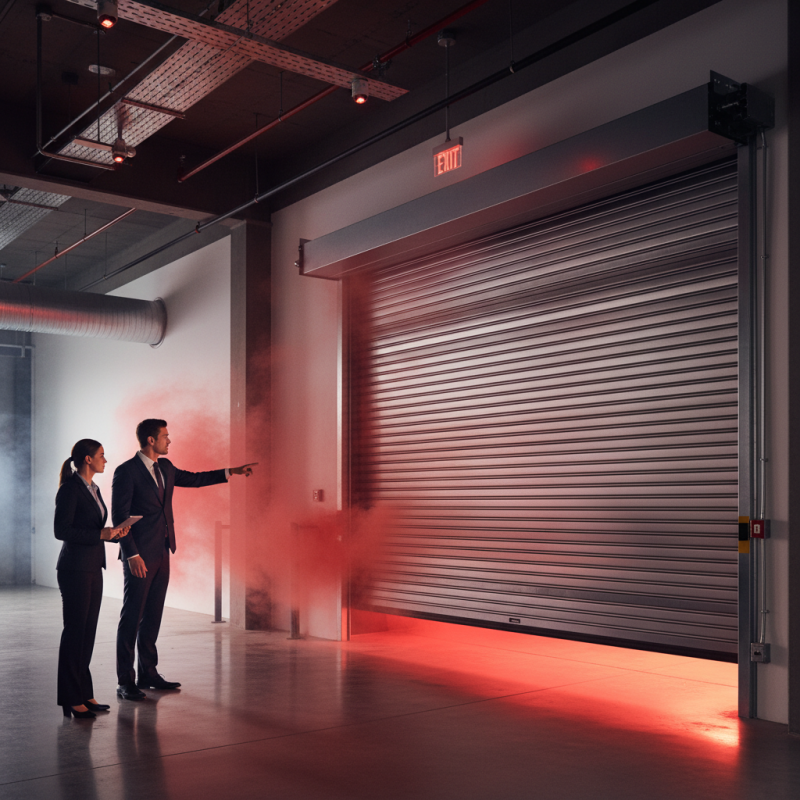
What is a Roll Down Fire Door?
A roll down fire door is a crucial safety feature in many commercial and industrial buildings. These doors are designed to close automatically during a fire, creating a barrier to prevent the spread of flames and smoke. Typically, they are made from durable materials such as steel or aluminum. Reports show that effective fire doors can reduce property damage by up to 30%.
In terms of functionality, roll down fire doors operate using a motorized system. When a fire alarm is triggered, sensors activate the door mechanism. The door then rolls down into place, sealing off areas and protecting occupants. Many doors are tested to meet specific fire rating standards, often categorized by hours of resistance. For instance, a one-hour fire-rated door can withstand flames for a considerable time before compromising.
Despite their importance, some installations can be challenging. Improper maintenance might lead to failure during a fire emergency. It's crucial to ensure that these doors are regularly inspected and tested. A study indicated that nearly 25% of fire doors are not compliant with safety regulations. This highlights the need for continuous vigilance in fire safety measures.
Components of a Roll Down Fire Door
Roll down fire doors are essential safety features in many commercial and industrial buildings. They function by creating barriers to contain smoke and flames. Understanding their components helps ensure effectiveness.
A roll down fire door consists of several key elements. The curtain is typically made from fire-resistant materials. It rolls down and stops smoke and flames from spreading. Tracks guide the curtain’s movement on either side. Spring-loaded mechanisms allow for rapid deployment in emergencies.
Another important part is the sensors. They detect heat or smoke and trigger the door's descent. Regular inspections are crucial. Many facilities overlook maintenance, risking failure during a fire. According to the National Fire Protection Association, about 60% of fire door failures are linked to improper maintenance. This highlights the importance of diligent upkeep. Keeping these components in good condition can save lives and property.
What is a Roll Down Fire Door and How Does It Work? - Components of a Roll Down Fire Door
| Component | Description | Function | Material |
| Curtain | The main part that rolls down to create a barrier. | Acts as the primary fire resistance barrier. | Steel or aluminum. |
| Roller Mechanism | The system that enables the curtain to roll up and down smoothly. | Facilitates easy operation and storage of the curtain. | Galvanized steel. |
| Frame | Support structure that holds the roller and curtain in place. | Provides stability and support for the overall system. | Steel. |
| Fire Sensor | Detects heat or smoke in the environment. | Triggers the closing mechanism during a fire. | Electronic components. |
| Control Panel | Central unit for operation commands. | Manages the automatic and manual operation of the door. | Plastic or metal housing. |
How Does a Roll Down Fire Door Function?
A roll down fire door is essential in safeguarding buildings. It acts as a barrier against fire and smoke. When activated, the door rolls down swiftly, sealing off areas for safety. The mechanism is often automatic. However, manual options exist.
How does this door function? When a fire alarm triggers, the system activates. Sensors detect heat and smoke. The roll down door then descends, often in seconds. It creates a controlled environment, slowing down flames and smoke spread. This mechanism gives occupants more time to evacuate safely.
**Tips:** Regular maintenance is crucial. Check the rolling mechanism for smooth operation. Ensure fire alarms are functional. A non-working door can jeopardize safety.
Not all installations are perfect. Some doors may malfunction or get stuck. Periodically inspect the door for wear and tear. This helps identify potential issues early. Staying proactive is better than facing an emergency.
Safety Standards and Regulations for Roll Down Fire Doors
Roll down fire doors play a crucial role in enhancing safety in various buildings. They help compartmentalize fire and smoke, limiting their spread. However, understanding safety standards and regulations is vital for their effective use.
Fire doors must comply with specific codes and standards. These regulations include testing for smoke and flame resistance. Many areas follow the National Fire Protection Association (NFPA) guidelines. Regular inspections are essential. Building owners need to ensure that their fire doors are in top condition. Any deficiencies must be addressed immediately to avoid dire consequences.
Tips: Always check for proper labeling on your fire doors. An easily visible label indicates compliance with safety standards. Educate staff on the importance of keeping fire doors closed when not in use. This simple act significantly lowers risks during an emergency. Remember, poorly maintained doors can compromise safety measures. Regular training sessions can foster a safety-first culture in any organization.
Applications and Benefits of Roll Down Fire Doors
Roll down fire doors are essential in maintaining safety during a fire. They serve many applications. Commonly, they are used in shopping malls, warehouses, and industrial facilities. These doors can quickly close off specific areas, preventing flames from spreading. They provide valuable time for evacuating occupants and alerting emergency services. Fire doors are crucial in protecting assets and ensuring the safety of people.
The benefits of roll down fire doors extend beyond fire safety. They also offer security against theft and vandalism. Their robust design is often resistant to physical impacts. Maintenance is key; regular checks can prevent malfunctions. Unchecked, these doors may not function correctly when needed. Ease of use is another advantage. Many systems can be automated or operated manually. However, they require proper training for staff to manage effectively, which sometimes gets overlooked. Awareness of these details can save lives.